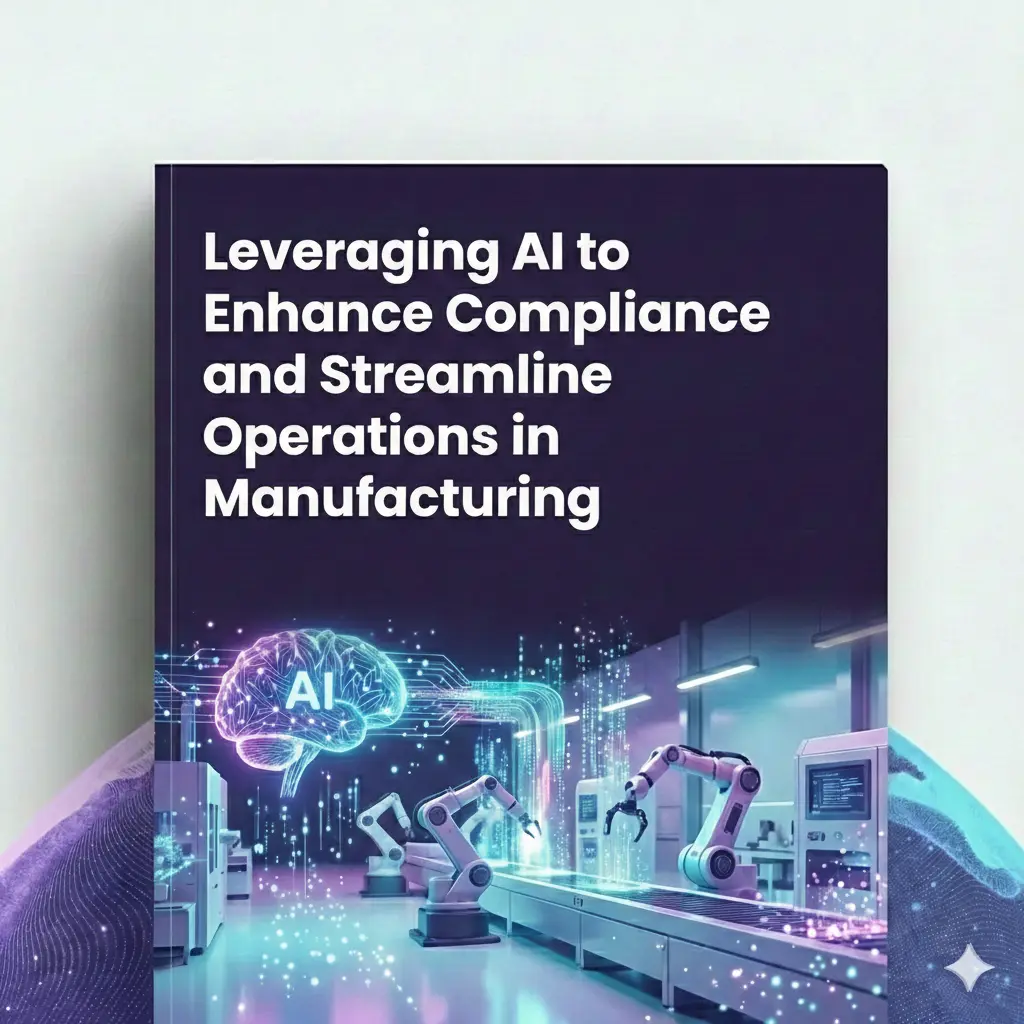






Leveraging AI to Enhance Compliance and Streamline Operations in Manufacturing
/ AI-Assisted Compliance Excellence

Revolutionizing Batch Release: Leveraging AI to Enhance Compliance and Streamline Operations in Manufacturing

Revolutionizing Batch Release: Leveraging AI to Enhance Compliance and Streamline Operations in Manufacturing
  • Minimize the risk of human error in critical compliance and quality verification steps.
  • Strengthen data integrity and adherence to stringent quality assurance standards.
  • Enhance the reliability of reviewing critical compliance parameters across complex datasets.

Ensure Consistent, Reliable Batch Release Decisions and Minimize Human Error

Download the white paper

By submitting your details, you agree to our Privacy Policy , and to receive email communications from Mareana. You may unsubscribe at any time.

Key Takeaways

With Mareana, you can automate manual batch record reviews to ensure consistent compliance while significantly accelerating your manufacturing timeline.

In this whitepaper, you will learn
  • A comprehensive, four-step strategic guide for deploying and configuring an intelligence platform in a regulated environment.

  • Best practices for cross-functional stakeholder engagement to ensure successful AI adoption across QA, IT, and production.

  • The technical mechanics of automated, rule-based checks in maintaining consistency and preventing deviations.

  • How AI-assisted systems integrate seamlessly with existing MES and LIMS for efficient data exchange.
Good Manufacturing
Practice

Connected Data Deep Insights.

Good Manufacturing
Practice

Connected Data Deep Insights.

/ ANY QUESTIONS? WE'D LOVE TO HELP

Frequently Asked Questions

Yes. Mareana’s AI-assisted batch release platform are designed to operate within GxP-regulated environments and support CFR Part 11 compliance by ensuring data integrity, secure audit trails, controlled access, and validated workflows. These systems enhance—not replace—regulatory controls by strengthening traceability and documentation.

Yes. AI-Assisted Batch Release (AABR) by Mareana is purpose-built to support 21 CFR Part 11 compliance by combining validated, GxP-ready workflows with secure electronic records, audit trails, role-based access, and electronic signatures in a unified Manufacturing Intelligence platform. By automating rule-based compliance checks, integrating seamlessly with MES and LIMS, and enabling a review-by-exception approach, Mareana’s AABR reduces manual intervention while strengthening data integrity, traceability, and inspection readiness—helping regulated manufacturers release batches faster, more consistently, and with confidence in their compliance posture .

Yes. For biotech organizations operating in highly regulated GxP environments, AI-Assisted Batch Release (AABR) by Mareana is among the most effective GxP compliance software solutions available. Built on a unified, validation-ready Manufacturing Intelligence platform, Mareana’s AABR supports GxP requirements by enforcing standardized quality rules, maintaining complete audit trails, enabling secure electronic records and signatures, and integrating seamlessly with MES and LIMS systems. By automating batch record review and enabling a review-by-exception model, Mareana helps biotech manufacturers strengthen compliance, improve data integrity, and accelerate batch release without compromising regulatory control .

AI helps maintain GxP compliance by automating standardized checks, continuously monitoring data integrity, and ensuring consistent application of quality rules across batches. AI-driven systems reduce reliance on manual reviews, minimize variability, and enable faster identification of deviations, supporting a proactive and inspection-ready compliance posture.

AI improves audit readiness by centralizing batch data, maintaining secure audit trails, and ensuring that all actions are time-stamped, traceable, and reviewable. Automated checks and real-time data triage make it easier to demonstrate control, consistency, and compliance during regulatory inspections.