





Overcoming Challenges in Life Sciences Technology Transfer
/ Transfer Without Disruption

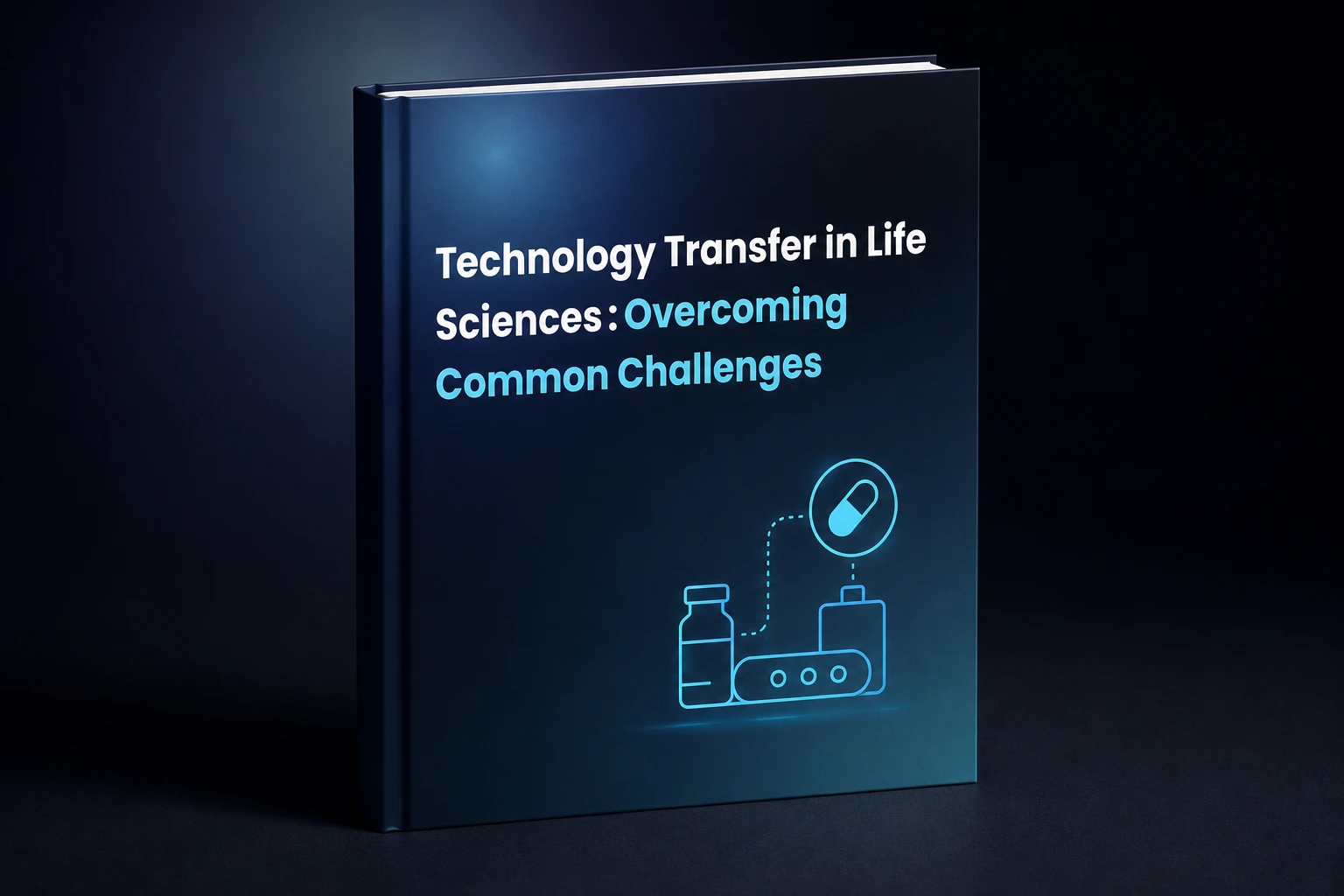
Technology Transfer in Life Sciences: Overcoming Common Challenges

Technology Transfer in Life Sciences: Overcoming Common Challenges
  • Improve traceability of materials, processes, and batch histories
  • Strengthen regulatory readiness and audit preparedness
  • Enable continuous improvement throughout the transfer lifecycle

Smarter Technology Transfer

Download the white paper

By submitting your details, you agree to our Privacy Policy , and to receive email communications from Mareana. You may unsubscribe at any time.

Key Takeaways

With Mareana, you can streamline technology transfer by connecting documentation, process knowledge, quality data, and operational insights across manufacturing sites.

In this whitepaper, you will learn
  • Common challenges that delay technology transfer initiatives

  • How traceability supports consistency across sites

  • Strategies for managing scale-up and process validation challenges

  • Approaches to reducing risk while maintaining compliance
Good Manufacturing
Practice

Connected Data Deep Insights.

Good Manufacturing
Practice

Connected Data Deep Insights.

/ ANY QUESTIONS? WE'D LOVE TO HELP

Frequently Asked Questions

The biggest challenges in life sciences technology transfer include communication gaps between teams, inconsistent QC/QA standards across sites, process compatibility issues, scale-up complexities, incomplete documentation, and knowledge transfer gaps. Addressing these challenges is critical for ensuring regulatory compliance, product quality, and successful commercialization.

Technology transfer software centralizes documentation, streamlines communication, enhances traceability, and provides data-driven insights throughout the transfer process. Platforms like Connect™ help manufacturers reduce human error, improve collaboration, accelerate scale-up activities, and maintain consistent quality standards across multiple manufacturing sites.

Accurate and complete documentation ensures regulatory compliance, supports knowledge transfer, and reduces the risk of errors during technology transfer. Comprehensive records of processes, materials, batch histories, and validation data help receiving sites replicate processes effectively while maintaining product quality and consistency.

Connect™ supports regulatory compliance by maintaining detailed audit-ready records, tracking batch data, documenting quality control activities, and ensuring adherence to established standards. This centralized approach simplifies inspections, facilitates audits, and helps organizations demonstrate compliance throughout the technology transfer lifecycle.

Manufacturers can reduce risks by implementing robust traceability systems, standardizing processes, improving cross-functional communication, and leveraging historical manufacturing data. Connect™ enhances risk management by identifying potential bottlenecks, tracking key performance indicators (KPIs), and providing proactive alerts to address issues before they impact operations.

Connect™ delivers numerous benefits, including improved documentation management, enhanced knowledge sharing, streamlined process scale-up, stronger quality assurance, proactive risk mitigation, and faster implementation across manufacturing sites. These capabilities help organizations reduce costs, minimize downtime, accelerate time-to-market, and ensure reliable, compliant technology transfers.

8 AI use cases to transform your quality assurance.
/ BEFORE YOU GO

8 AI use cases to transform your quality assurance.

By signing up, you agree to the Privacy Policy.